

Cornwall has just come through one of its driest summers on record, with prolonged hot weather, multiple heatwaves and significantly below‑average rainfall placing real pressure on local water resources. South West Water introduced a hosepipe ban on 8th August 2026 across Devon, Cornwall, the Isles of Scilly and parts of Dorset and Somerset to help protect supplies during drought conditions.
As we move towards the winter months, many households are wondering what the hosepipe ban means for day‑to‑day life and, importantly, for their plumbing. Here at Piran Plumbing on the Long Rock Industrial Estate, we have already seen how dry weather and increased indoor water use can affect homes across Penzance, Newlyn, Marazion, Hayle and the surrounding areas. This seasonal shift is the ideal time to check your plumbing, reduce water use and make sure your home is ready for autumn.
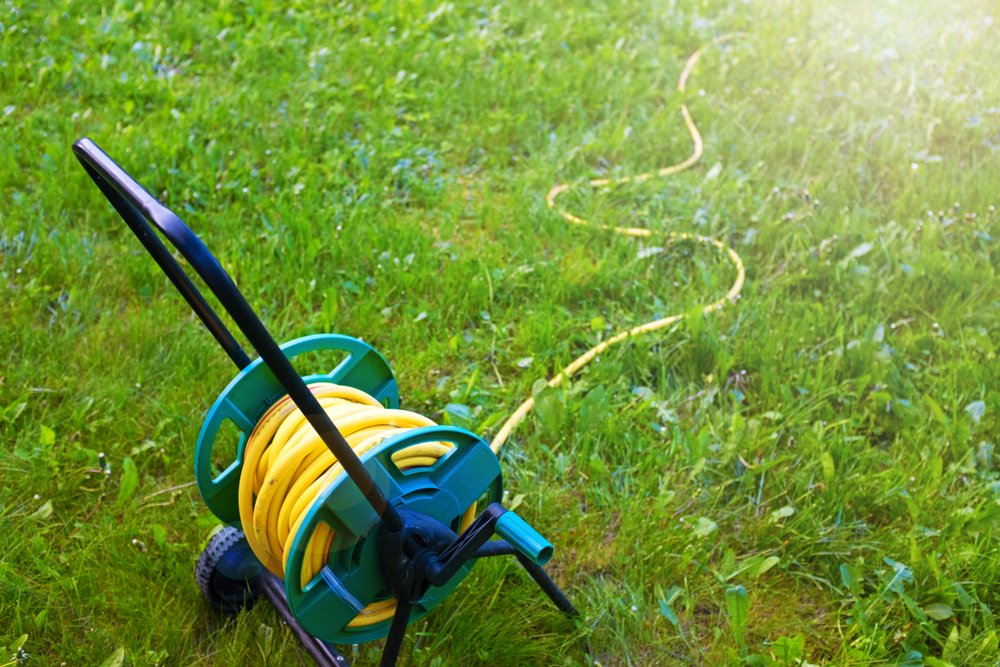
What the Hosepipe Ban Covers
While essential water use continues as normal, customers must not use hosepipes for non‑essential purposes while the ban remains in place. This includes using a hosepipe to:
- Water your garden
- Wash your car
- Fill a paddling pool, swimming pool or hot tub
- Clean patios or driveways
- Clean walls or windows

These restrictions are designed to protect water supplies while reservoir levels recover. Total reservoir storage across Devon and Cornwall at the end of August stood at 48% percent, showing how far levels still need to climb before restrictions can be lifted.
How Dry Weather Affects Plumbing
A hot, dry summer followed by a sudden shift into cooler, wetter autumn conditions can create several plumbing issues. Even if you have not used a hosepipe for weeks, your outdoor plumbing and underground pipework may have been affected by the weather.
Soil movement around pipework
Dry ground shrinks and cracks, especially in areas with clay soils. When rain returns, the soil expands again. This movement can place stress on underground pipes, sometimes leading to leaks or reduced water pressure.
Outdoor tap wear
Outdoor taps and connectors can dry out during long periods of heat. Rubber washers and O‑rings may crack, meaning leaks often appear when people start using outdoor taps again later in the year.
Increased indoor water use
With hosepipes out of action, many households rely more heavily on indoor water. More everyday tasks shift indoors during a hosepipe ban, such as rinsing garden tools, cleaning beach gear or filling watering cans at the kitchen sink. This extra indoor water use can highlight existing plumbing weaknesses, including slow drains, dripping taps or toilets that occasionally fail to refill properly.
If you notice changes in pressure, damp patches, or outdoor taps that drip even when turned off, it is worth arranging a check from a local plumber in Penzance or the surrounding area before the wetter autumn weather sets in.
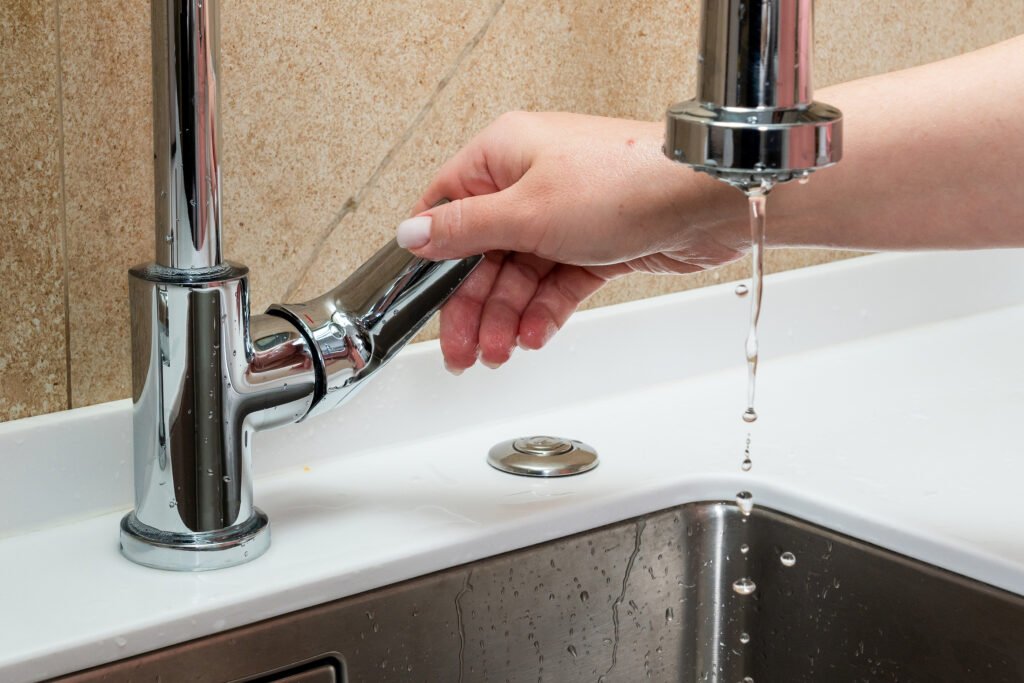
Water Saving Tips That Help Your Plumbing Too
Reducing water use is not only helpful during a hosepipe ban but can also protect your plumbing and lower your bills. Here are practical ways to save water that tie directly into common plumbing issues.
Fix leaky loos
A leaking toilet can waste hundreds of litres a day. If you hear trickling after a flush or notice the cistern refilling more often than usual, it is time for a repair.
Switch to showers
Showers generally use less water than baths. If your shower is older, upgrading to a modern, efficient model can reduce water use and improve performance.
Check taps and stopcocks
Dripping taps are easy to ignore but can waste significant water over time. Autumn is a good moment to check indoor and outdoor taps, especially after a dry summer.
Use appliances efficiently
Only run washing machines and dishwashers with full loads. South West Water specifically recommends this during drought conditions.
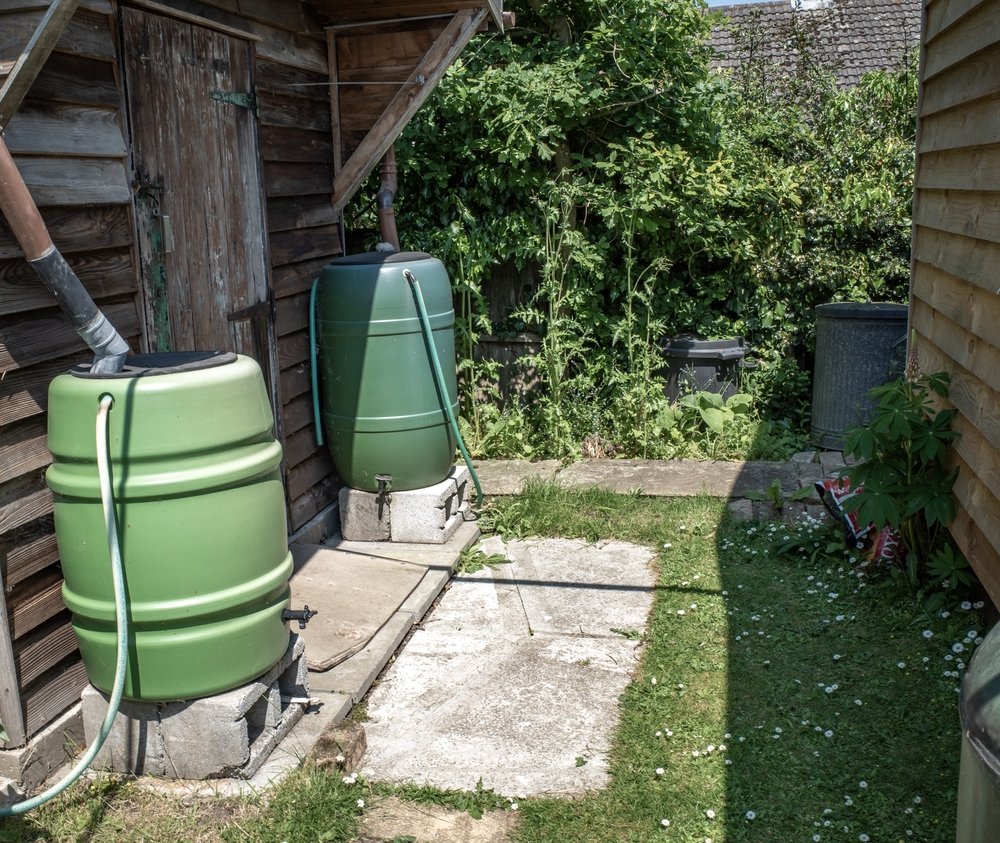
Consider a water butt
Although hosepipes cannot be used, collecting rainwater for garden use is still allowed. A water butt reduces demand on your indoor supply and helps gardens recover after a dry summer.
Why Autumn Plumbing Checks Matter
As rainfall increases through September and October, previously hidden issues often reveal themselves. Soil rehydration can expose underground leaks, outdoor taps may begin to drip, and older pipework may struggle with the shift from dry heat to cooler, wetter conditions.
A seasonal plumbing check can help identify:
- Early signs of leaks
- Outdoor tap failures
- Pressure changes
- Ageing pipework
- Problems with toilets, showers or hot water systems

For homeowners in Penzance, Long Rock, Gulval, Carbis Bay and wider West Cornwall, addressing these issues early can prevent more costly repairs later in the year.
Need a Local Plumber in Penzance This Autumn?
If you are concerned about leaks, pressure changes or plumbing wear after Cornwall’s driest summer on record, our team at Piran Plumbing is here to help. We are based at Unit 6A, Long Rock Industrial Estate, just a few doors down from Plumbase, and we cover Penzance, Newlyn, Marazion, Hayle and surrounding areas.
Get in touch today to book an autumn plumbing check or request a free quote today.